
Meet our first cohort of SAHRI Fellows 2026-2029
Researchers from across sub-Saharan Africa building expertise in health research and innovation through a three-phase pathway of advanced academic training, industry internship, and applied research back home.
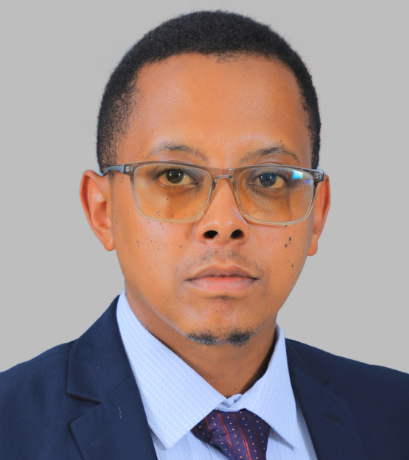
Bedemariam Amsalu
Bedemariam Tadesse Amsalu is an Ethiopian medical doctor with over eight years of experience in clinical care, academic leadership, and health research. He holds a Master of Public Health from Bahir Dar University and a Doctor of Medicine from St Paul’s Hospital Millennium Medical College. He currently works as a clinician, researcher, and lecturer at Bahir Dar University’s College of Medicine and Health Sciences, where he helped establish a Clinical Trial Unit at the Tana Diagnostic and Research Center and served as study physician on the STOP-ALIVE Phase III clinical trial. His experience spans neglected tropical diseases, pathogen sequencing, and health system strengthening.
“After completing the fellowship, I will engage with colleagues to advance clinical research in the region and, as an academic staff member, teach the next generation of researchers, closing the research gap in my country and across Africa.”
Judith is a medical doctor and public health specialist from Uganda with over seven years of experience in clinical care, health security, and clinical trial coordination. She holds a Master of Public Health from Makerere University and a Bachelor of Medicine and Surgery from Mbarara University of Science and Technology.
She has coordinated complex tuberculosis clinical trials at the Makerere University Lung Institute and served on the 2022 Ebola epidemic response team, and is passionate about generating high-quality evidence and bridging scientific inquiry with policy to advance health security across Africa.
“My goal is to lead a world-class research institute back home that looks at complex health issues through a systems-thinking lens… while actively mentoring and building capacity for the next generation of African researchers.”
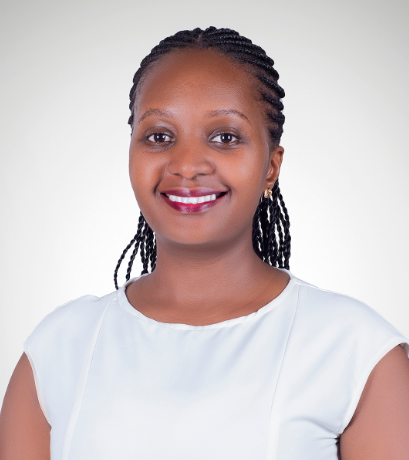
Judith Ayebare
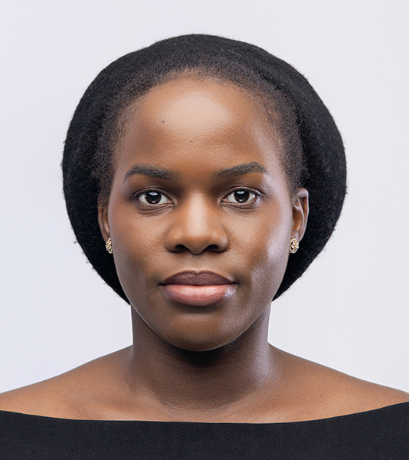
Linda Buluma
Linda Rosset Buluma is a Ugandan medical doctor and clinical researcher with approximately 10 years of experience in the design and implementation of vaccine and infectious disease clinical research. She holds a Bachelor of Medicine and Bachelor of Surgery and a Master of Public Health from Makerere University, and is a Certified Clinical Research Professional (CCRP). She has contributed to the successful delivery of TB, SARS-CoV-2, RSV, and maternal and infant vaccine clinical trials, with interests in clinical trial operations, research leadership, and strengthening research capacity across Africa.
“I hope to strengthen clinical research capacity, mentor future researchers, and contribute to innovative, evidence-based solutions that could improve health outcomes in Uganda and across Africa.”
Kwitaka Maluzi is a Zambian molecular biologist with 13 years of laboratory research experience across HIV, TB, malaria, and COVID-19. She holds a BSc in Molecular Biology and Genetics from the University of Zambia and an MSc in Biomedical Sciences (Blood Sciences) from Sheffield Hallam University, UK. At Zambart, she contributed to the AMPHEUS study and HIV diagnostic testing for the HPTN 071 PopART study, and is committed to generating evidence on HIV drug resistance patterns in Africa.
“I plan to apply the knowledge, skills, and professional networks gained through this fellowship… to mentor emerging scientists in molecular biology and epidemiology, supporting the next generation of African researchers to build sustainable health research capacity.”

Kwitaka Maluzi
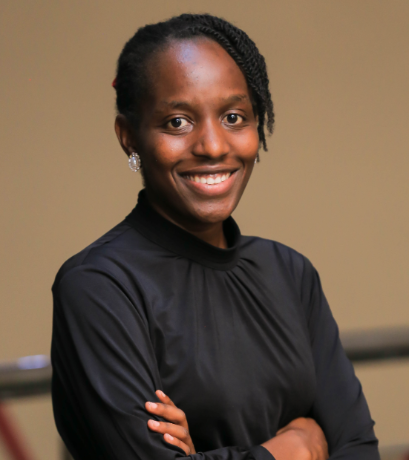
Carolyn Nayebare
Carolyn Nayebare is a Ugandan biomedical engineer with progressive experience across pharmaceutical manufacturing and quality systems, hospital-based clinical engineering, and healthcare innovation projects. She holds a Master’s in Engineering Management from the American University of Beirut and a Bachelor of Biomedical Engineering from Mbarara University of Science and Technology. She currently works as a Quality Control Officer at Quality Chemical Industries Limited, and previously served as a biomedical engineer at TMR International Hospital, where she contributed to clinical workflow optimization, equipment lifecycle management, and the setup of a pediatric ward and neonatal intensive care unit.
“Upon returning from the programme, I plan to implement a quality-focused project within QCIL and, in the medium term, contribute to innovation and optimization in healthcare systems and medical technologies through research and technology translation.”
Arthur Vengesai is a biomedical scientist from Zimbabwe with over five years of experience in infectious disease research. He holds a PhD in Biomedical Sciences from the University of KwaZulu-Natal and an MPhil in Biochemistry from the University of Zimbabwe. He is currently a Postdoctoral Researcher at the Malawi Liverpool Wellcome Programme, developing innovative in vitro diagnostics for central nervous system and acute respiratory infections, building on earlier work in peptide-based diagnostics and vaccine immunogens for neglected tropical diseases. He is passionate about translating biomedical research into scalable, affordable healthcare solutions across Africa.
“I aspire to mentor emerging African scientists, foster multidisciplinary collaborations, and translate research into evidence-based policies and diagnostic solutions that improve disease surveillance, patient care, and public health across the region.”